
Tucked along the north Pembrokeshire coast, the Blue Lagoon at Abereiddy is one of West Wales’ most photographed and most misunderstood natural landmarks. It is not a tropical cove and the water is closer to green than blue, but few places on this stretch of coastline pack quite so much history, adventure and sheer visual drama into such a small space. Here is everything you need to know before you go.
What Is the Blue Lagoon?
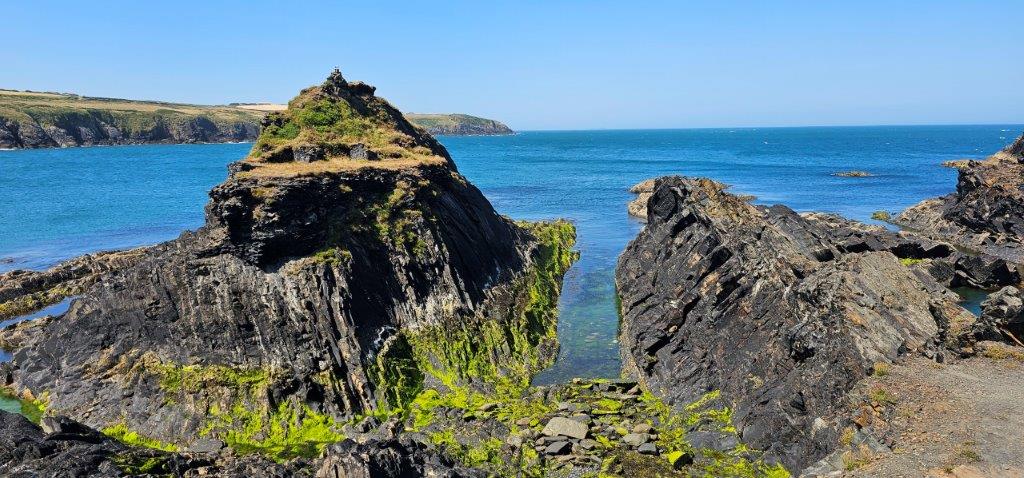
The Blue Lagoon sits immediately north of Abereiddy beach, a small hamlet in Pembrokeshire Coast National Park. It began life as the St Brides Slate Company quarry, worked hard through the nineteenth century until the industry declined and the site fell silent in 1910. Local fishermen later blasted a narrow channel through the seaward wall so they could shelter their boats inside the old workings, and the sea has occupied the quarry ever since. The result is a striking 25 metre deep pool, ringed by sheer slate cliffs and the atmospheric ruins of the old quarry buildings, now cared for by the National Trust.

Photos: Copyright Mark Roberts
A Slate Quarry Turned Natural Wonder
Pembrokeshire was once home to more than a hundred slate quarries, and Abereiddy’s was linked by tramway to the harbour at Porthgain a couple of miles north, from where the slate was shipped out. Today, the ruined cottages known as The Street still stand near the car park, along with the foreman’s house and the old powder store, quiet reminders of the community that once worked here. The distinctive blue green colour of the water comes from minerals leached out of the surrounding slate, and it is this unusual palette, set against the grey Pembrokeshire coast, that has made the lagoon so recognisable.
Things to Do at the Blue Lagoon
The lagoon has become one of the best known spots in Wales for open water adventure, and it suits a wide range of confidence levels.
* Coasteering, scrambling along the rocky edges and jumping into the water at points along the way
* Cliff jumping from the old quarry platforms, ranging from a gentle few metres to serious heights for the experienced
* Wild swimming in a sheltered pool that stays calmer than the open sea beyond the channel
* Kayaking through the narrow entrance channel at higher tides, weather permitting
* Coastal walking along the Pembrokeshire Coast Path in either direction, with fine clifftop views back over the lagoon
The lagoon has also hosted the Red Bull Cliff Diving World Series, with elite divers launching from platforms suspended more than 20 metres above the water, so it is worth a look even if you have no intention of getting wet yourself.
POINT TO NOTE
It’s sometimes referred to as the Blue Pool. There are quite a few Blue Pools and Blue Lagoons in Wales so make sure you’re headed in the right direction.
Getting There and Parking
The Blue Lagoon is reached via Abereiddy Beach car park, postcode SA62 6DT. The final approach is along narrow, winding single track lanes with few passing places, so allow a little extra time and drive with care. The car park itself is unmarked and rocky, with space for around 20 to 30 cars, and it is privately run rather than National Trust managed, so there is a charge to park regardless of membership. On our own visit this week the fee was five pounds for the day, so it is worth bringing a card or some change and treating published prices online as a guide rather than gospel. From the car park it is a short, level walk of five to ten minutes to the lagoon itself, suitable for pushchairs and wheelchairs. Walkers with more time can instead park at Porthgain and follow the coast path south, a roughly two kilometre stretch that is one of the finest short walks in Pembrokeshire.
Best Time to Visit
Summer weekends and school holidays bring the biggest crowds, particularly around midday, so an early morning or early evening visit tends to be far more peaceful and often produces better light for photographs. The lagoon quarry closes to visitors from mid September each year while seals use the sheltered water to breed, so fans of coasteering and cliff jumping should plan spring through to early autumn trips. Whatever the season, the water sits at a bracing fifteen degrees or so, and a wetsuit is a sensible addition even in high summer.
Nearby Places to Explore
The Blue Lagoon makes a natural stop on a longer day out along this part of the coast.
* Porthgain, a small former quarrying harbour with a well regarded pub and fish and chips
* St Davids, Britain’s smallest city, around five miles to the south
* Whitesands Bay, a Blue Flag beach popular with surfers
* Strumble Head, with its lighthouse and reliable seabird and dolphin watching
Practical Tips for Your Visit
* Take a card or change for the car park, as prices are not always accurate online (we paid £5 for the day in July 2026)
* Wear old trainers or water shoes for the rocky entry into the lagoon
* Check tide times if you plan to kayak through the channel
* Bring your own food and drink, though a snack van is often on site in season
* Respect the seal closure from mid September and keep a distance from any wildlife you do see

Where to Stay…
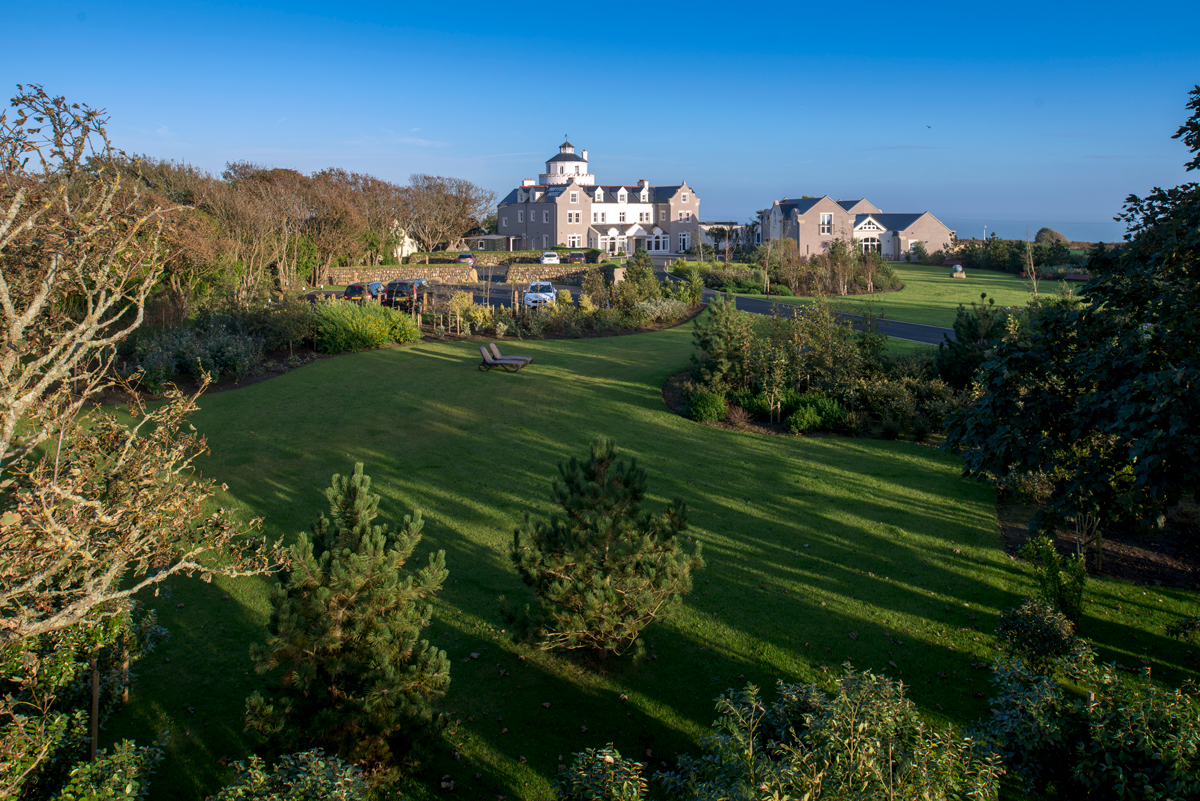
We stayed in Ty Milford, part of the Celtic Collection, in Milford Haven. It’s a great location for exploring west Wales and their restaurant, Dulse, is superb.

Stunning food at Dulse, Ty Milford
Wild, unusual and steeped in industrial history, the Blue Lagoon is a reminder of how much West Wales has to offer beyond its beaches. Whether you come to swim, to walk, or simply to look, it rewards the drive down those narrow lanes many times over.
…
Love to travel?
Discover the UK and abroad with Travel Life. Visit www.travellifemag.co.uk
…